

Seeing What Could Be
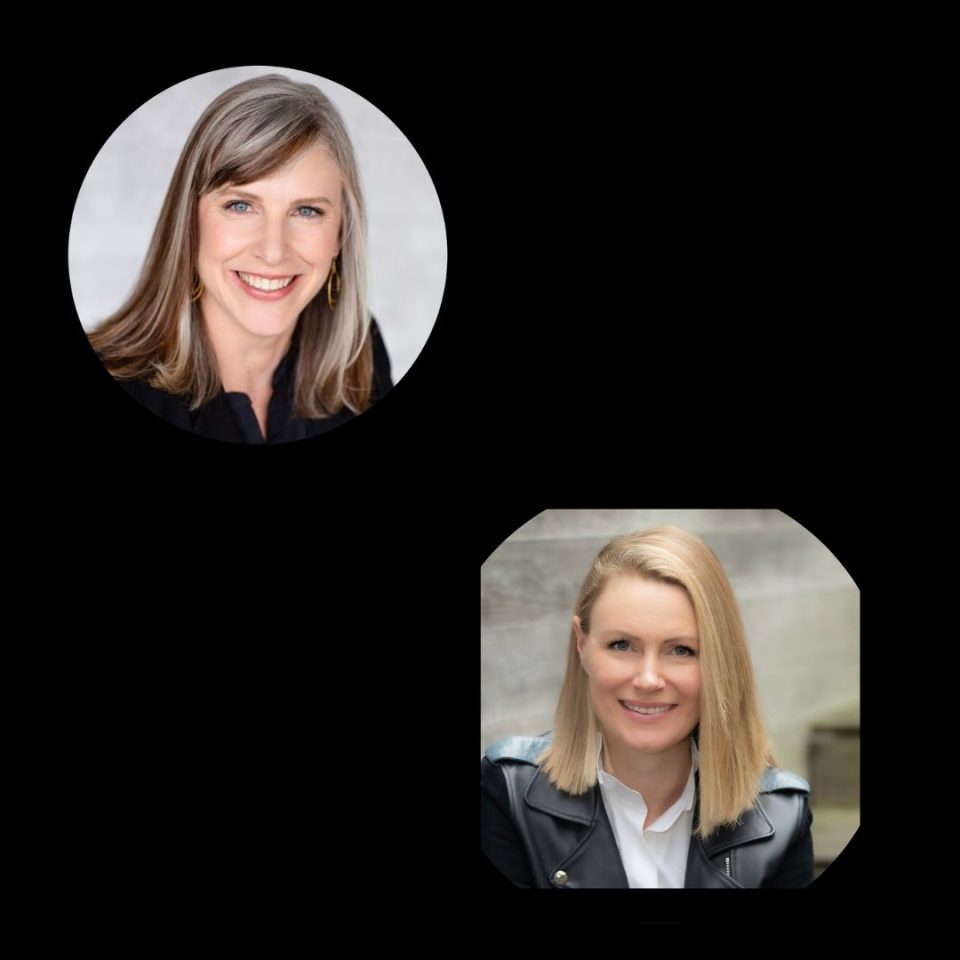
For years, people used to mistake me for a Bostonian — maybe that’s why I’ve always been drawn to the city and the people who live there. Every time I visit, I’m struck by the direct, straight-talking, no-fluff energy of the place. But my city love remains firmly rooted in San Francisco.
From the first time I met Ann Ehrhart, I could feel that Beantown buzz: sharp, focused, and fully engaged in conversation. Her passion for her work is palpable.
Ann and I talk frequently, sharing ideas, inspiration, and the realities of building businesses. We have aspirations to collaborate on a project one day, maybe in Boston.
What I appreciate most about her work is the smart, increasingly necessary niche Everstreet fills. Not just leasing and merchandising strategy, but the intersection of community-centered research, consumer behavior, place making, and long-term asset value.
The kind of thinking that helps create neighborhoods people actually want to spend time in.
In this edition of Remarkable Women, I invite you to get to know Ann Ehrhart, Founder and CEO, Everstreet.
Check out our conversation below.
What is your superpower, and how has it shaped your life and career?
Vision. I’ve always been good at seeing what something could be, not just what it is.
Over nearly 20 years, I’ve built a toolkit around that instinct – merchandising, design, and leasing strategies that capture Market Demand – defined by Everstreet as the intersection of what consumers want and what tenants are chasing. Over time, that instinct has become an approach: helping clients create ground-floor spaces that attract stronger operators, perform better, and create lasting value.In practice, that has meant turning underutilized parking into outdoor restaurant seating, long-term vacancies into blocks of buzzing storefronts, and aging ground-floor portfolios into repositioned assets.
Through Everstreet, it has grown into thinking about how ground-floor space and public realm can help revitalize whole districts. Because better neighborhoods make better locations – and better locations drive asset value..
At its core, it’s about uncovering value others may have missed – and converting that into revenue, performance and asset value.
What’s something about you most people would never guess but plays a significant role in who you are?
I’m a non-linear thinker. My mind tends to take in a lot of information at once – market signals, urban design, consumer behavior, operator demand – and distill it into themes and concrete action items. Someone who has worked closely with me once said I connect dots people don’t even realize exist, which felt very true.
That’s a big part of what led me to build Everstreet’s Activate Your StreetSM framework. It creates structure around a process that is both creative and analytical – pulling from different inputs, pressure testing ideas, and turning them into strategy clients can act on.
It delivers the creativity and outside-the-box thinking that is critical for successful place making, and supports it with data and a disciplined framework that helps clients reduce risk and make smarter investment decisions.
If you could pass one piece of wisdom to the next generation of women, what would it be?
A lesson I’m learning in real time: treat impostor syndrome less as a warning sign and more as a sign that growth is happening. I’m even slowly starting — slowly, slowly — to feel excited when that discomfort shows up, because it usually means I’m pushing myself and acquiring a new skill or a knowledge base that I didn’t have before.
I think women can be especially susceptible to the idea that you need to feel ready before you go for something. But that’s backwards. You build confidence by doing the thing that feels a little beyond your reach. Confidence usually comes after action, not before it.
Secondly, trust your knowledge, your network and your resourcefulness — and figure some of it out as you go.