

Real Estate as a Living Asset
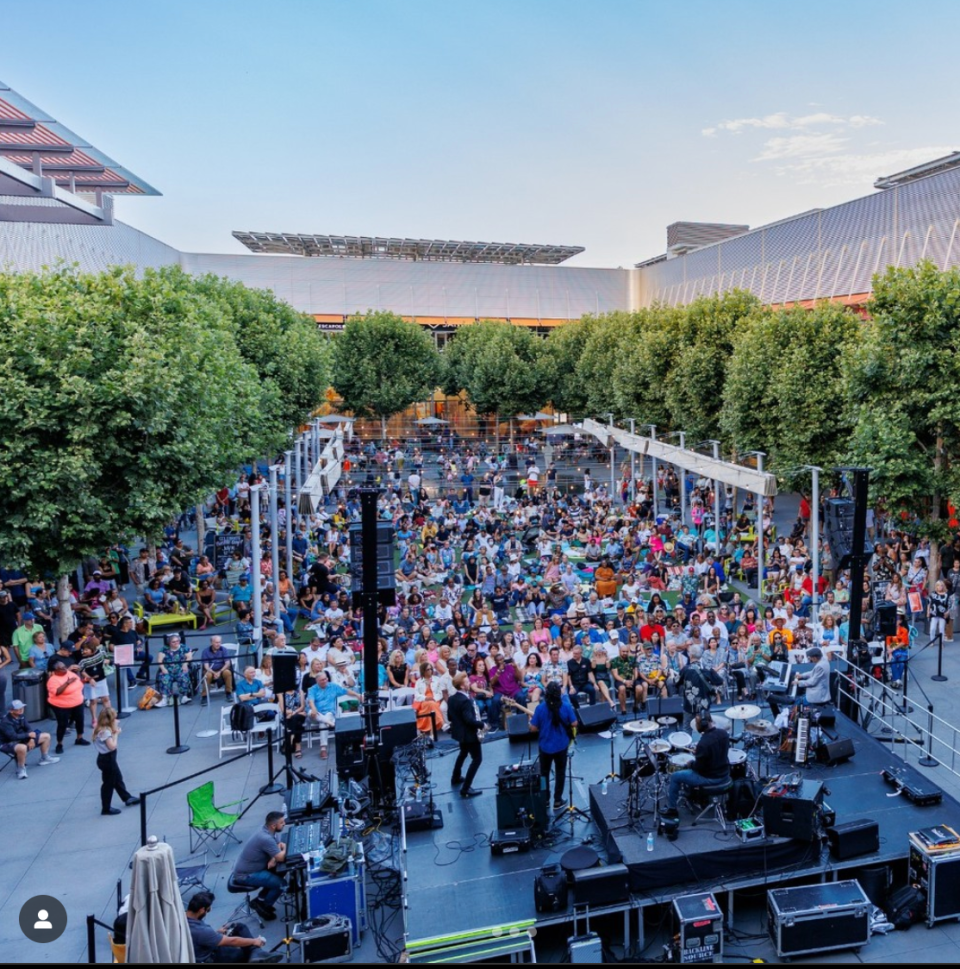
Measuring success in occupancy rates, sales and ROI is par for the course. But today, what matters most when defining a thriving place isn’t what fits inside four walls—it’s what happens between them.
Gensler’s recent piece on 𝘛𝘩𝘦 𝘍𝘶𝘵𝘶𝘳𝘦 𝘰𝘧 𝘙𝘦𝘢𝘭 𝘌𝘴𝘵𝘢𝘵𝘦 𝘔𝘦𝘵𝘳𝘪𝘤𝘴 captures this idea, one that has been a long time coming: “Real estate is evolving into a living asset—one defined by its ability to adapt and create meaning for the people it serves.”
We’re moving beyond big data toward a clearer understanding of how the human element plays an integral role in shaping and driving the transformation and subsequent iterations of a space.
Human connection isn’t an ancillary benefit — it’s the core value proposition. Whether on a micro level (a workplace, retail corridor, or gathering space) or a macro level (a neighborhood or a city), connection fuels belonging, creativity, and well-being.
In a world increasingly defined by separation, the spaces that will endure are the ones designed to bring us together.
Images from Julie Lovett and her team at City Center Bishop Ranch, examples of what thoughtful, community-focused work looks like in practice.